
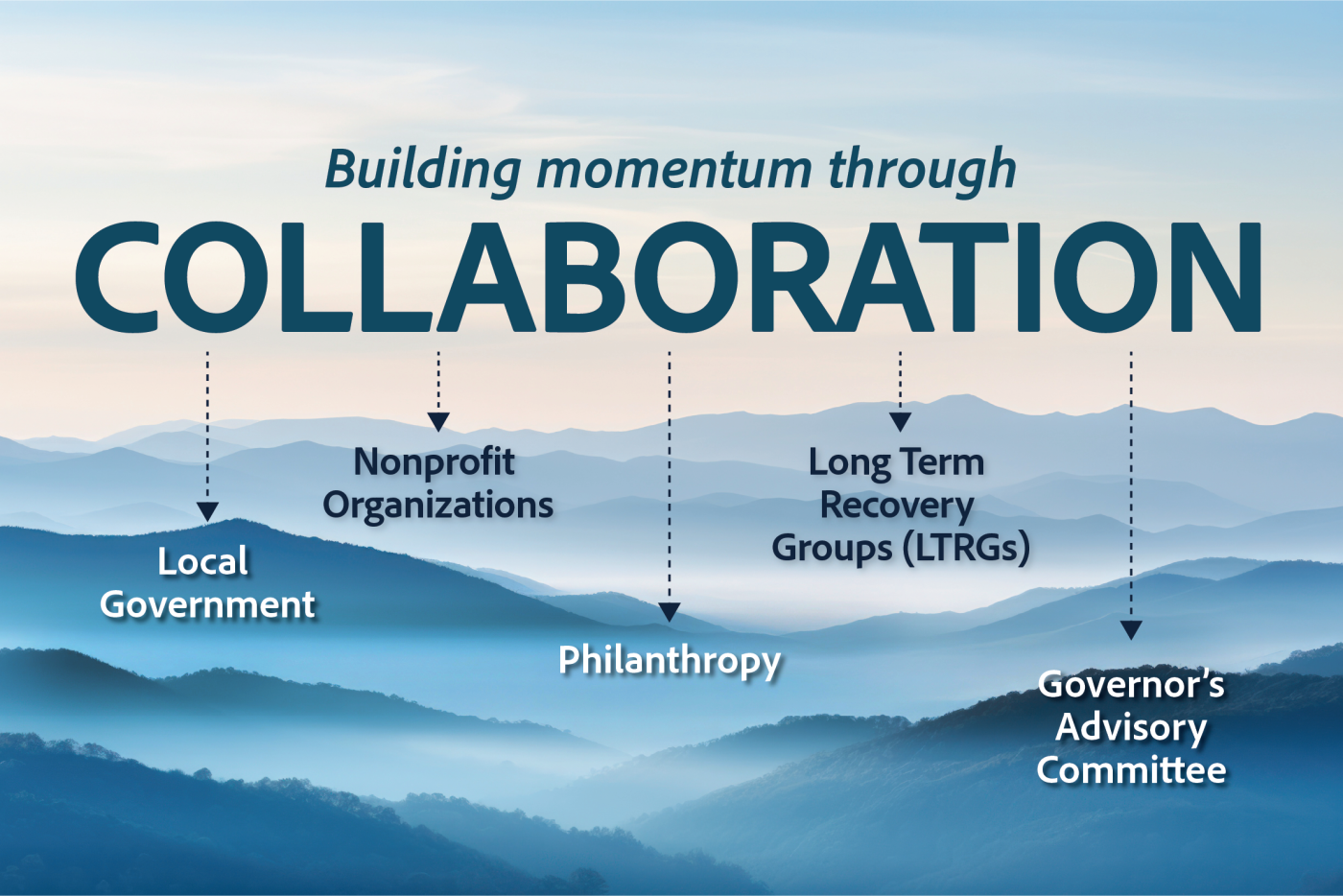
Each community in western North Carolina has its own story to tell about recovery progress following Hurricane Helene. Communities supporting each other and neighbors helping neighbors – these stories weave a network of hope and connection across the region. The partnerships that emerged in the days and weeks following Hurricane Helene have grown stronger over the past 18 months and are the nexus of the momentum western North Carolina needs to build on early progress and push forward with long-term recovery efforts.
A bipartisan focus on recovery by Governor Josh Stein, members of the North Carolina General Assembly, North Carolina’s Congressional delegation, and local leaders has resulted in $2.5 billion in state appropriations and $7 billion in federal funds for regional recovery efforts, with a commitment to cooperate on future recovery funding to address the estimated $60 billion in damage.
Last week, Governor Josh Stein called on the General Assembly to invest $792 million in the next phase of recovery to reinvigorate recovery efforts and ensure western North Carolina is positioned for success.
To offer increased capacity for supporting the community leaders who are navigating long-term recovery needs, the Governor’s Recovery Office for Western North Carolina assigned four Regional Recovery Coordinators to serve impacted counties. With community recovery projects underway and additional needs identified, it is western North Carolinians, together with long-term recovery partners, who will continue putting recovery dollars to work, seeing projects through until communities are fully rebuilt.
Growing Partnerships Offer Hope
Local government leaders found creative ways to collaborate in the early days of recovery, supporting each other by sharing information and resources, identifying top needs, restoring essential services, and distributing relief supplies. The Catawba County Sheriff’s Office donated emergency vehicles to Yancey County’s fleet to help address critical needs after Hurricane Helene. The Town of Marion diverted supplies and volunteers to help neighbors in the hard-hit town of Old Fort. The Town of Mars Hill lent equipment and personnel to help reconnect the Town of Weaverville and the Town of Marshall with water and shared Internet access to help neighboring towns like Spruce Pine run payroll and conduct essential business. Too numerous to list, stories such as these have been shared across the region, underscoring the generous and caring spirit of North Carolinians.
As relief efforts turned to recovery, local government leaders hit the ground running to navigate the immense challenge of maintaining critical operations and supporting recovery of residents and businesses in the face of increased expenses and decreased revenues. A variety of funding opportunities exist to help communities recover, through clearing debris, rebuilding streets, cleaning up parks, and reinforcing local water and sewer systems and other critical infrastructure.
Complex projects of this kind are time-intensive, requiring careful planning to complete. The dedication of municipal and county staff to each community’s recovery will be seen through rebuilt greenways, sidewalks, community parks, and other important community revitalization projects. The work will be felt through the safety of cities and towns where high-hazard dams have been repaired and water systems have been restored.
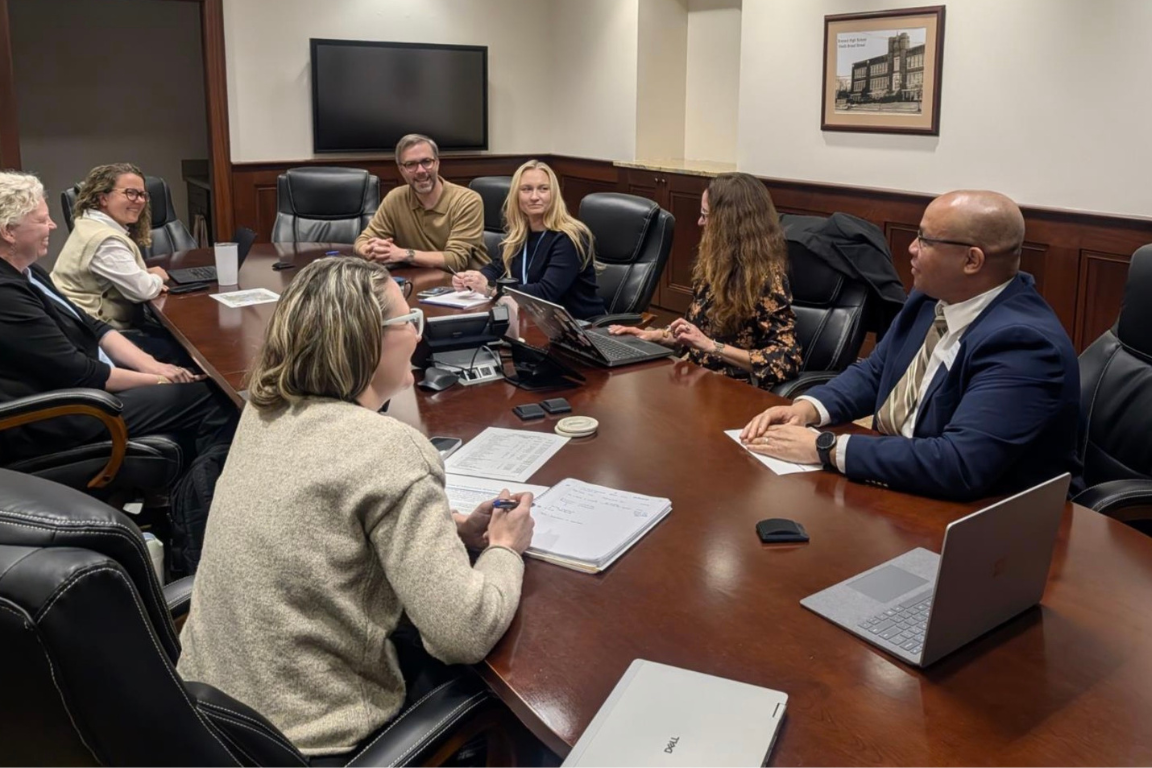
New state funding programs continue to be made available to advance community recovery efforts. GROW NC Recovery Coordinators regularly collaborate with the Technical Assistance Team from the North Carolina Association of County Commissioners (NCACC), meeting with county government staff to answer questions and discuss available funding opportunities. The NC Local Government Disaster Recovery Portal was also created through partnership to offer local government leaders a single platform for identifying support and tracking their communities’ recovery progress. Another partnership between GROW NC and the UNC School of Government led to the hiring of a Western North Carolina Recovery Navigator. Since October 2025, Amanda Stratton has been serving as a connection point for local governments and partner organizations focused on recovery efforts.
Governor Stein is calling for an additional $230 million in state funding to help strengthen infrastructure in western North Carolina, including capital grants and financial support for local governments managing recovery.
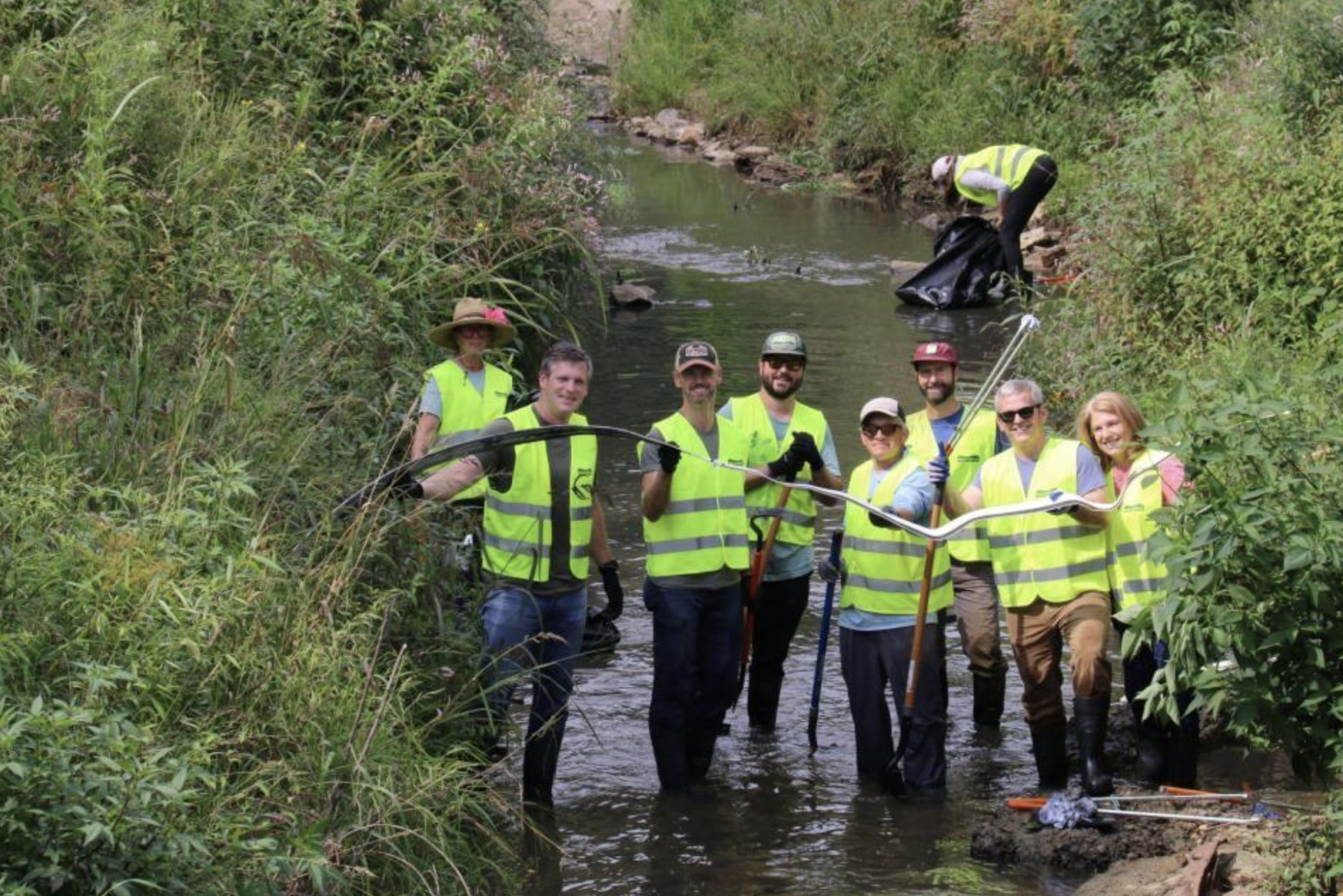
Nonprofit organizations continue to play an active and essential role in recovery for western North Carolina. Their work tracking needs, coordinating projects, and managing volunteers helps communities across the region distribute food, clean up streams and parks, rebuild homes, and so much more. These organizations have gone above and beyond to grow their network of support while working to meet increased need.
One example of that collaboration is the Manna Food Finder Tool, created to offer a centralized, interactive map showcasing more than 220 nonprofit pantries and meal sites in western North Carolina. Pisgah Legal Services and Legal Aid of North Carolina partnered to provide free legal assistance to western North Carolina residents affected by Hurricane Helene, helping with FEMA appeals, insurance claims, housing issues, and more.
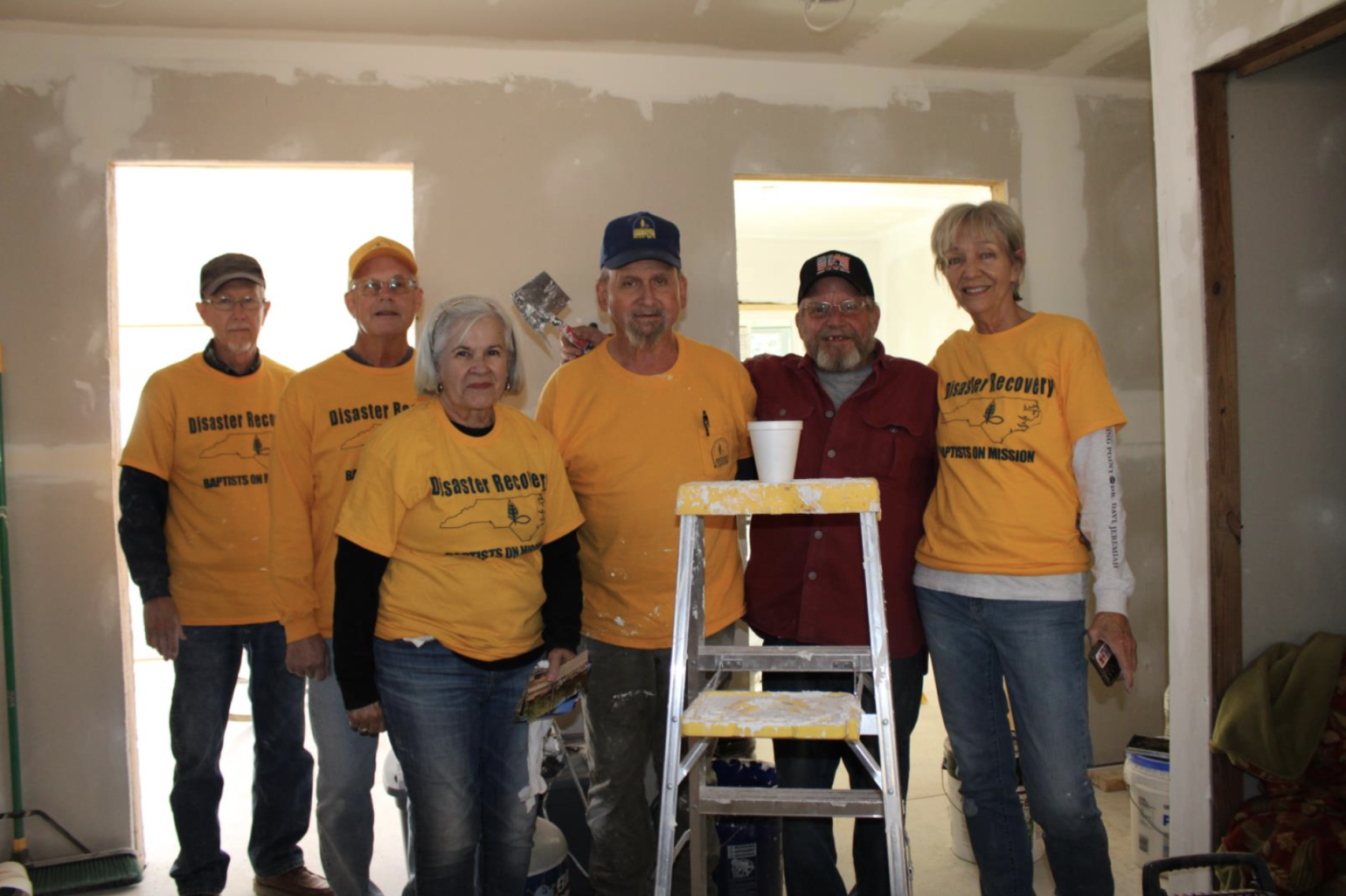
Many organizations have partnered to address housing-related needs, working to repair and rebuild homes or winterize travel trailers and campers, keeping families warm over the winter months. In January 2025, Governor Stein awarded $6 million to volunteer organizations working to address immediate repair and rebuilding needs. Since then, two rounds of grant awards have been made to volunteer organizations active in home repair and rebuilding across the region, with $9 million awarded to 14 organizations in October 2025 and another $16 million awarded to 16 organizations in March 2026. These organizations continue to work in communities across the region as the North Carolina Department of Commerce Division of Community Revitalization moves forward on housing recovery through the state’s federally funded housing recovery program, Renew NC.
Governor Stein’s Recovery Budget proposes redirecting $20 million of existing state funding to partner with nonprofit organizations to rebuild more homes.
Nonprofit organizations have also secured a significant amount of funding to support their work in the region from sources within and outside of North Carolina. Their staffs and dedicated volunteers will continue to be important contributors to recovery. The NC Commission on Volunteerism and Community Service and the NC Voluntary Organizations Active in Disaster have been important partners in helping volunteers from outside of the region connect with opportunities to help western North Carolina communities recover.
Philanthropic organizations have been essential relief and recovery partners since day one, funneling much-needed support into community recovery through strategic investments. These funds address unmet needs, support nonprofit organization capacity and operations, and leverage state and federal dollars. Explore examples of relief efforts funded and critical immediate needs met in this report from the Community Foundation of Western North Carolina. During Hurricane Helene recovery, philanthropy partners have stayed in close communication with each other and with GROW NC to make sure their contributions offer meaningful impact with the best chances of improving outcomes for the people of western North Carolina.
More than $1.4 billion has been invested through philanthropic and private funders since September 27, 2024. GROW NC continues to collaborate with the private and nonprofit sectors to fill funding gaps in areas such as housing, behavioral health, and small business support.
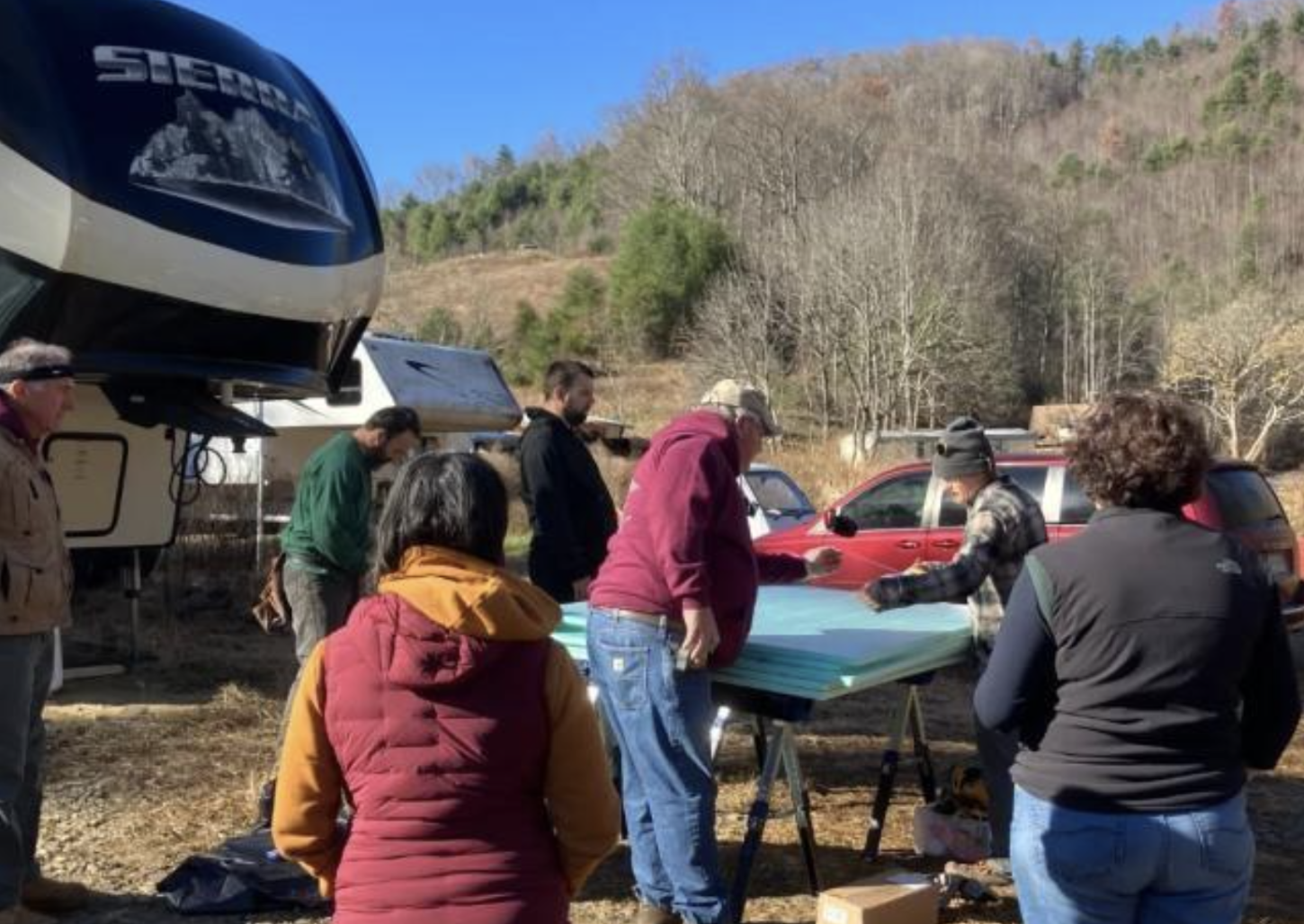
Continued engagement from funders will be a difference-maker as the region pushes forward to meet long-term recovery needs. The North Carolina Disaster Relief Fund merged its donations with the NC Community Foundation’s Disaster Relief Fund to support long-term recovery and unmet needs through grants to nonprofits serving western North Carolina. To learn more or to make a monetary contribution, please visit: nccommunityfoundation.org/helene.
Long-Term Recovery Groups (LTRGs) emerged across western North Carolina to strengthen local resource coordination, respond to unmet recovery needs, and ensure that recovery decisions are community driven. LTRGs offer case management support, home repair and rebuilding, furniture, furnishings, and appliances, and they connect survivors to financial and legal advice. Governor Stein, GROW NC, and NC Emergency Management are among a list of contributors proud to support this essential recovery work.
The local people and organizations who form LTRGs are supported by state leaders with the North Carolina Voluntary Organizations Active in Disaster (NC VOAD), who help the groups form committees, share information, and seek funding for their work. While many LTRGs are county-focused, some in western North Carolina collaborate across multiple counties to extend their reach and impact. GROW NC’s Regional Recovery Coordinators work closely with LTRG leaders, attending regular meetings to share information and offer support. GROW NC organized a regional convening of LTRGs in January 2026, creating space for sharing information and ideas. Visit the NC VOAD website to find a listing of LTRGs operating across the state in response to disasters.
The Governor’s Recovery Budget calls for $10 million to provide rental and utility assistance to help families maintain stable housing during recovery.
Convening community leaders has been a priority for Governor Stein and his team throughout the Helene recovery process. The Governor’s Advisory Committee on Western North Carolina Recovery was created to ensure that community leaders from across the region have a platform for offering local perspectives, sharing ideas, and asking questions about recovery. Established through Executive Order by Governor Stein on his first day in office, the committee is currently made up of 33 community leaders who serve as local and state leaders in business, education, health care, philanthropy, government, community organizing, and more.
The group receives updates on recovery progress, programs, and unmet needs during monthly meetings held in western North Carolina or virtually. Committee members share their input and feedback with the Governor and GROW NC, offering local and regional perspective on strategies to address the needs of communities, including housing; economic development and small businesses; roads, bridges, and other infrastructure; recovery funding; cross-sector coordination and communication; and other issues related to recovery.
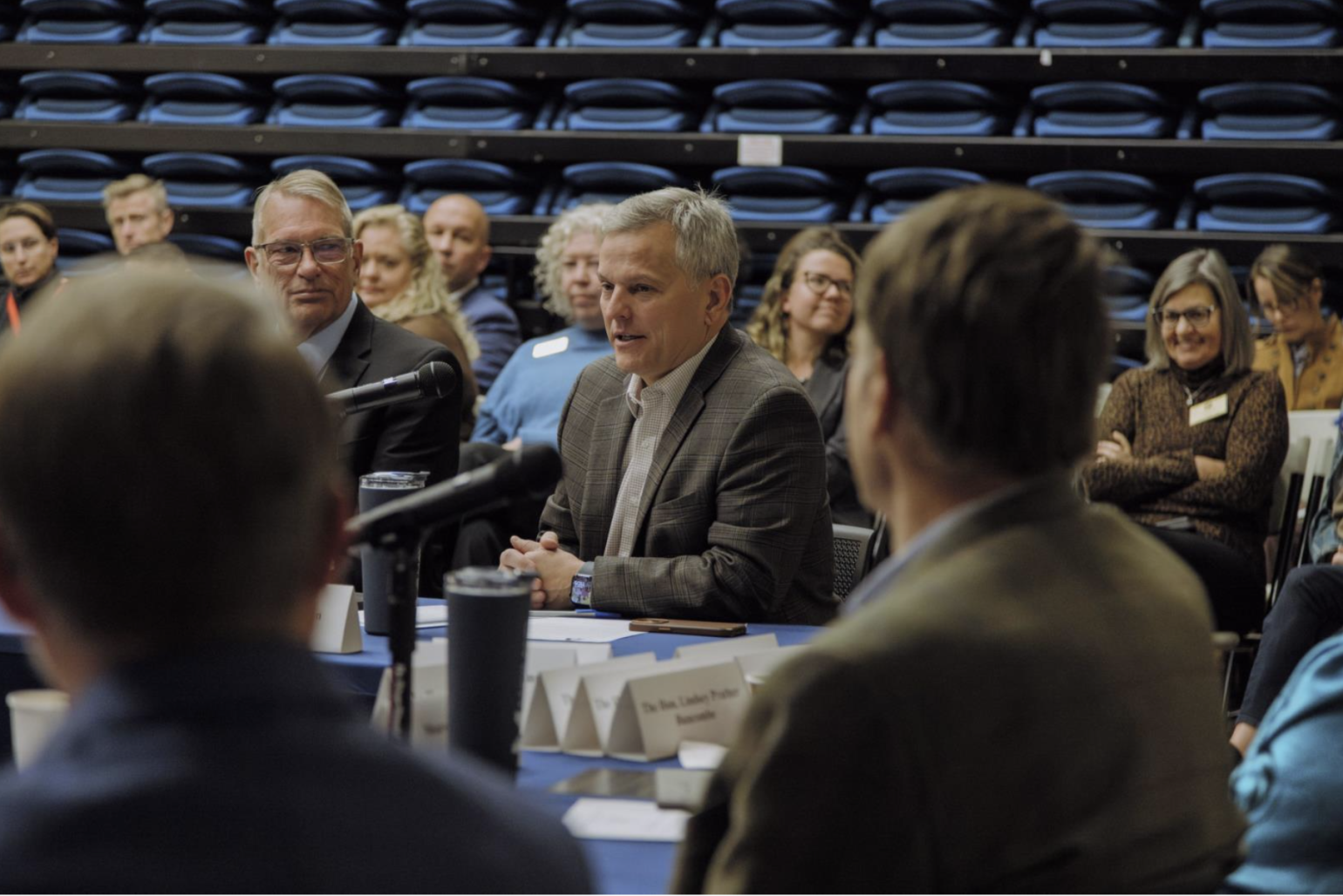
The monthly meetings offer an opportunity for committee members to elevate questions or ideas related to recovery progress. In May 2025, the committee was briefed by the North Carolina Department of Environmental Quality about landslide activity in western North Carolina during and following Hurricane Helene, the susceptibility of the region to future landslides, and the need and plans for mitigation efforts. The committee submitted recommendations to the North Carolina General Assembly for the support of the Landslide Hazards Program in the amount of $6.1 million, along with $600,000 for the creation of a Landslide Early Warning System. In June, Governor Stein signed into law a bipartisan bill, the Disaster Recovery Act of 2025 – Part II, which included a $3 million appropriation for the Landslide Hazards Program.
The Governor’s March 2026 Recovery Budget calls for the state to invest additional funding in flood prevention, dam safety, wildfire mitigation, and landslide hazard monitoring.
Committee members also shared concerns about local government cash flow due to delays in federal reimbursement programs. Governor Stein’s Recovery Budget requests additional loan funds be made available to local governments to help them manage cash flow during recovery.
Advisory committee meetings help community leaders elevate specific needs and, in turn, help state leaders provide more responsive support and advocacy.
Many advisory committee members also serve on subcommittees where they learn more about resilience and long-term economic recovery issues, sharing ongoing needs and offering possible solutions. Advisory and subcommittee meetings are open meetings, with meeting materials available on the GROW NC website to help members of the public learn alongside state and local leaders.
North Carolina state agency leaders are frequent contributors at advisory committee meetings, offering updates about their ongoing work responding to Hurricane Helene recovery needs. Their teams were quick to respond during and after the storm, and their work continues through management of ongoing recovery projects, programs, and partnerships to address needs. Updates can be found on Helene Recovery Dashboards.
Supporting Long-Term Recovery for Western NC
The steady growth of community networks actively focused on western North Carolina recovery offers hope. The momentum of these networks underscores the region’s dedication to helping their neighbors, rebuilding their communities, and strengthening their resilience. Local leaders share deep gratitude for the early support that helped communities stabilize and safely reopen, and they are ready and eager to push forward.
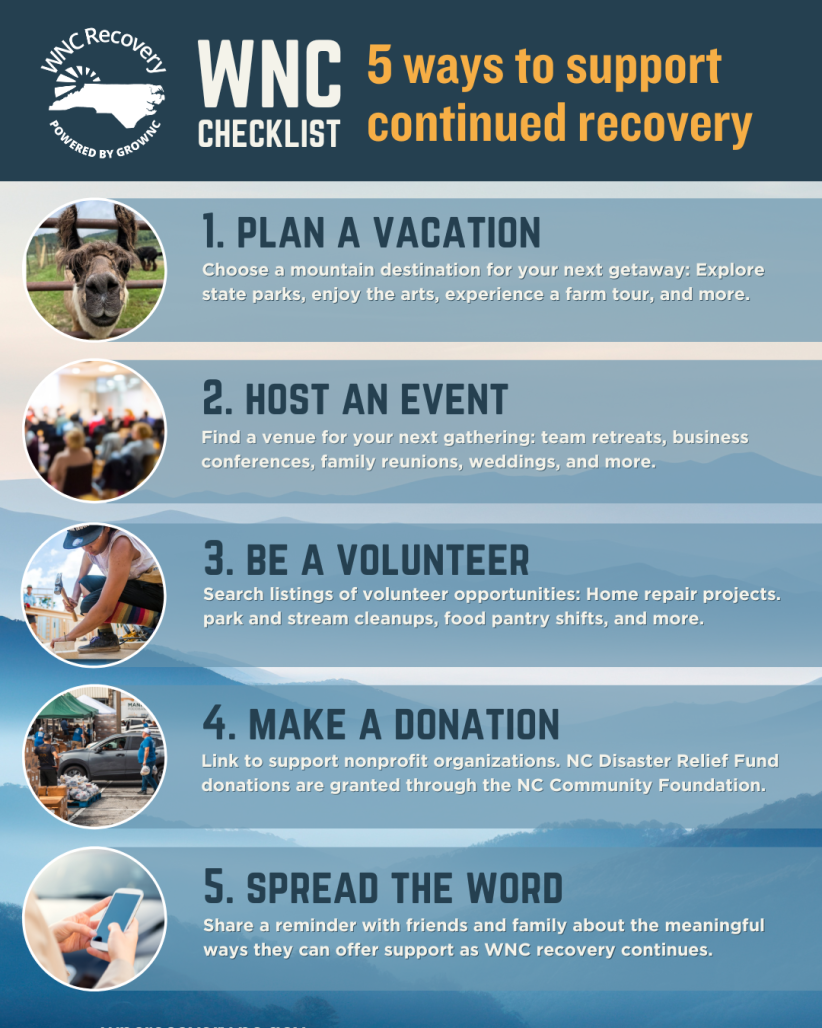
5 Ways Anyone Can Get Involved
There are many ways to contribute to western North Carolina’s recovery.
Plan a vacation to your favorite mountain destination for your next getaway. Explore state parks and hiking trails. Enjoy the unique arts and culture of the mountain region. Learn about agribusiness by touring a local farm, picking strawberries or hiking with llamas. Find a creative new route to support communities impacted by Blue Ridge Parkway construction. Visit North Carolina’s official travel and tourism website to start planning your trip.
Host an event in western North Carolina. Find a venue for your next gathering. Explore event spaces for team retreats, business conferences, family reunions, weddings, and more. Contact county Tourism Development Authorities to learn more. Regional sites like Visit Smokies and High Country Hosts to research events, venues, and more.
Be a volunteer. Search listings of volunteer opportunities like home repair projects, trail and stream cleanups, food pantry shifts, and more. Visit the North Carolina Commission on Volunteerism and Community Service to get connected with a volunteer shift.
Make a donation to help fund the ongoing recovery work of nonprofit organizations. NC Disaster Relief Fund donations are granted through the NC Community Foundation.
Spread the word. Download this toolkit to find resources for sending reminders to family and friends about the meaningful ways they can offer support as WNC recovery continues.