
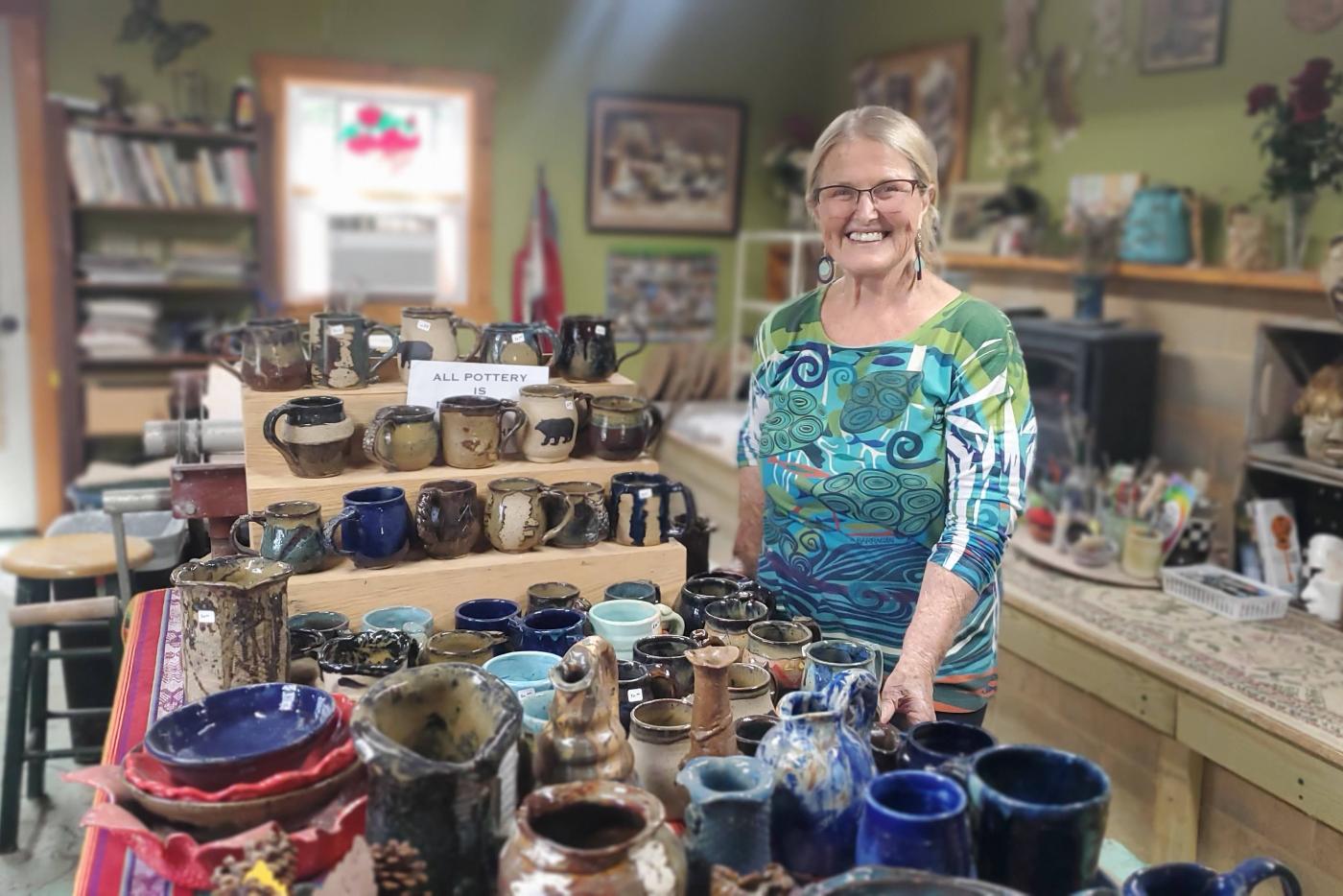
Creative artists are instrumental parts of western North Carolina’s economy. Two years after Hurricane Helene, GROW NC spoke with artists and organizers across the region about their approaches to post-Helene recovery and the steps they’ve taken to foster a robust arts economy. Here are some of the highlights.
Haywood County Arts Council
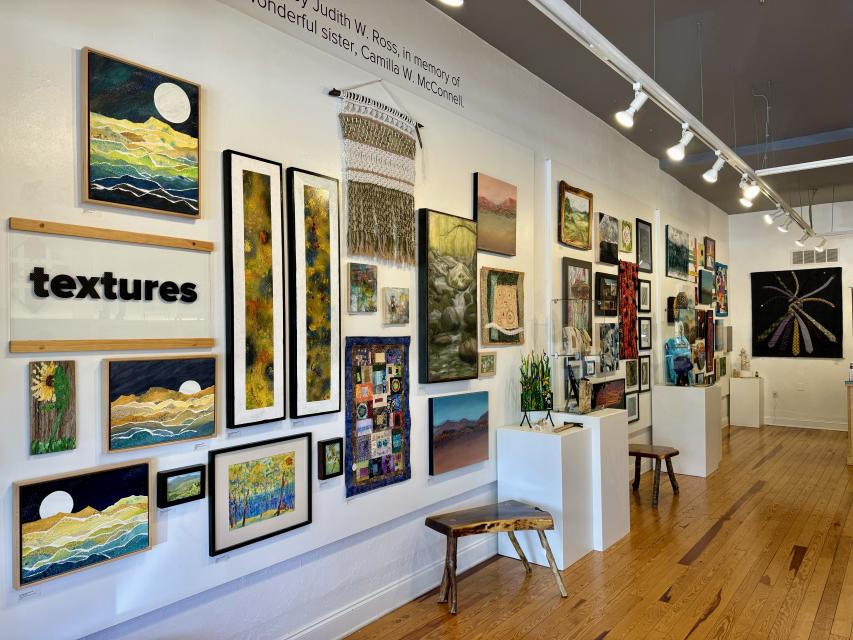
As the Haywood County Arts Council looks forward to celebrating its 50th anniversary in 2027, a big gift has resulted in a massive new building in downtown Waynesville. With 170 artist members who extend well beyond the county, the Haywood County Arts Council has long been a launching point for newer artists. Gallery space features new and established artists working at different scales and in different crafts. In a conversation with Tonya Harwood, GROW NC learned more about the details of the new initiatives and how the arts council will support many underserved populations.
The top floor of the new building will offer affordable community studio spaces for rent, and the main floor will feature community exhibit space for artist members as well as two auxiliary spaces that can host juried shows. The new building will also have a secondhand art supplies store that will be open to the public and is expected to also supply teachers with classroom needs. The lower level will be used for classes, which will be offered with an emphasis on accessibility. The Kids’ Art Club, for instance, is offered for just $5 per child.
Local businesses range from framers and suppliers to printers and more, and Harwood said, “When the creative economy thrives, it benefits more than the artists.” Local businesses, restaurants, and hotels benefit from the tourism draw of their annual bluegrass festival. The next big event is the Smoky Mountains Bluegrass Festival on October 24, featuring five award-winning bands, more than 30 art vendors, and a classic car show. Learn more and share the featured opportunities to support local artists.
Marquee Asheville
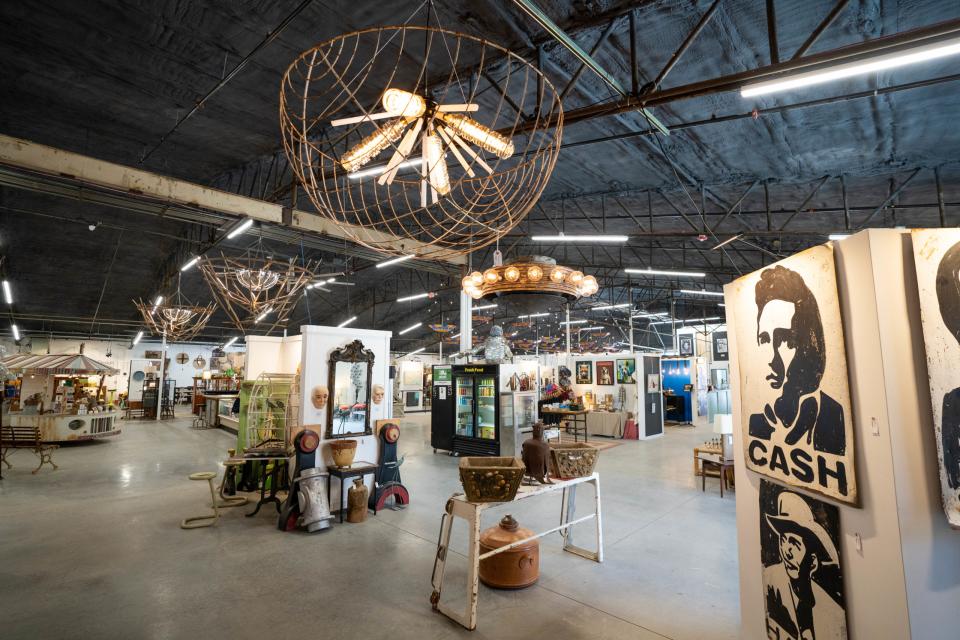
GROW NC spoke with Robert Nicholas at Marquee Asheville to learn about how the market has made room for more than 350 small creative businesses to thrive under one roof. This space matters because, as Nicholas said, “Asheville is art. It’s what people come for – the art of food, the art of beer, the artists at Marquee and the River Arts District.” In addition to creating exhibit space for artists who may not be interested in the public-facing part of the art business, Marquee serves as a magnet that draws people to the community and connects the artists who are already there.
Whether you come to explore the eye candy of Marquee’s regularly curated offerings or make a special trip for one of the signature pop-up events called Uncommon Market, you’ll find a steadfast commitment to creative community. With an emphasis on the local arts and a flair for the dramatic, Marquee is constantly innovating on its cornerstone events throughout the year from the Pride Week kickoff to Love Marquee Night in February.
Lost Province Center
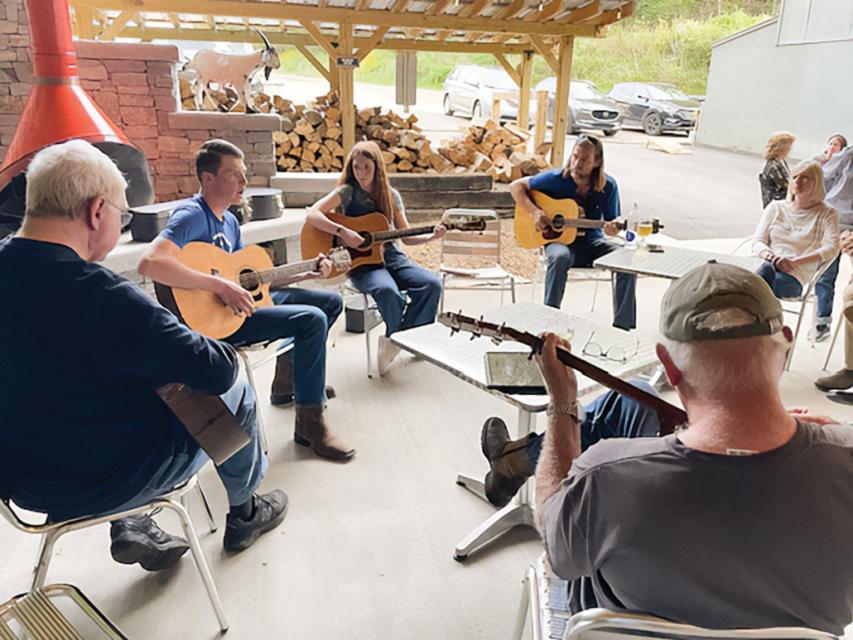
The Lost Province Center is a hub for artists and entrepreneurs tucked into the first multiroom schoolhouse in Ashe County. Finding a home in a cluster of beautiful old buildings in Lansing, the founders of Lost Province nonprofit pursued a vision to build a cultural arts center and celebrate Appalachian craft.
After Helene, because the location is on a hill, the center served as a recovery hub for the area for about six months, but as the recovery has progressed, the center has been able to return to the initial vision and mission. Projects at Lost Province now focus on music, fiber arts, and pottery. The fiber arts classes range from needle felting and footstool weaving to traditional weaving series. Similarly, the pottery classes range from seasonal themed workshops to ongoing courses on handbuilding. The studio is open to members seven days a week.
This year featured the second annual Fly Around Music and Arts Festival, bringing musicians from the area and beyond to perform in the historic school buildings during the two-day festival in downtown Lansing. Musicians now have an accessible recording studio specializing in traditional music at Buddy Holler, in the same building at the Lost Province offices.
The Pottery Lot
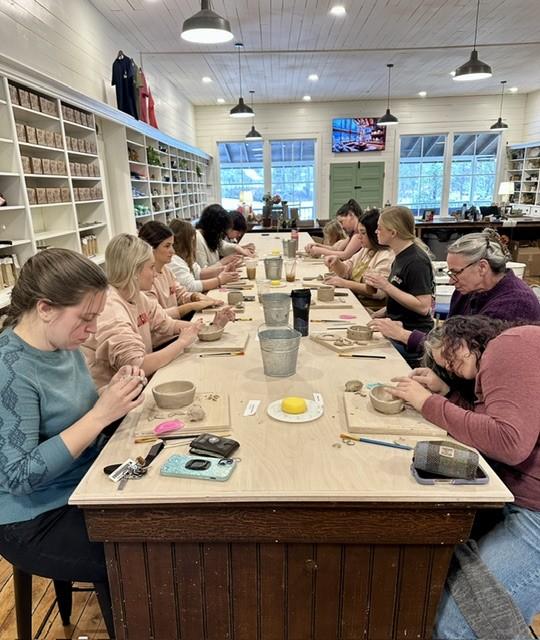
After years of rushing to register for the limited spots in the community pottery classes at Appalachian State University, Emily Roberts knew people in Boone had a deep desire for more opportunities to play with clay. She and her husband, Michael Roberts, opened The Pottery Lot to meet that need and to be a place to feature the work of local potters. With multi-week classes, two-hour workshops, and special events, the space provides classes for locals and visitors alike. Plus, the gallery features 45 local artists, ranging from full-time professionals to talented hobbyists and people newer to the craft. Just weeks after the facility opened, Hurricane Helene flooded the main clay supplier for the region, so The Pottery Lot stepped in to meet this crucial need. Now, two years later, the Pottery Lot supplies not only most of the potters in the area but also local schools, including Appalachian State.
Resurrection Studios
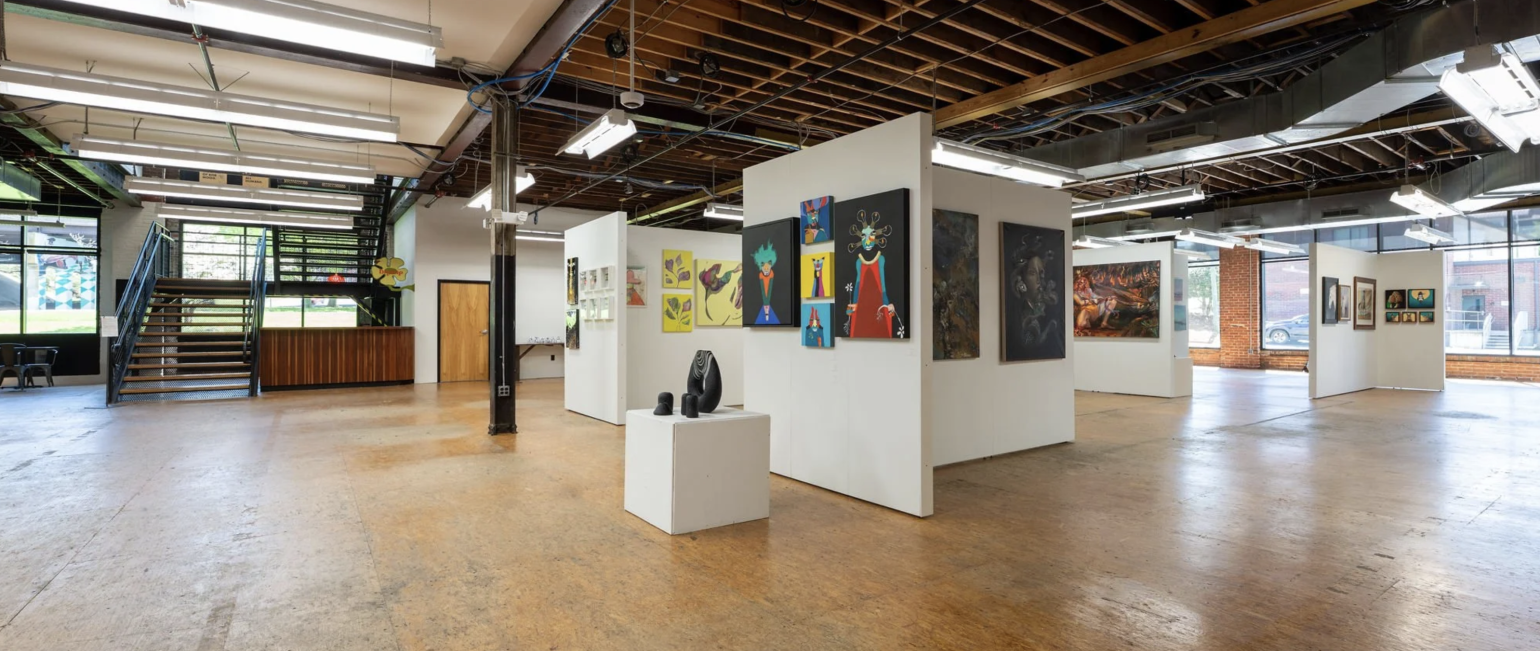
Because Heidi Adams is married to Mike Adams, the former President and CEO of Moog Music, she knew the space and the history of the former Moog building in Asheville well. In November of 2024, she transformed that famed building into Resurrection Studios as an effort to make space for displaced artists after Hurricane Helene. What she and her collaborators created was a community of 70 artists and a celebration of all that the arts can include. This project now includes gallery space, studios, and a venue that is still exploring all that an event in the Five Points area of Asheville can be. Upcoming events include their monthly First Friday parties, with new exhibitions, reunions, and the memorial for famed cartoonist Robert Zimmerman, among so much more.
Visit our WNC Recovery Stories page to find more stories about the people and organizations making a difference in western North Carolina recovery.